Text
Wildlife Ecotourism in Indonesia
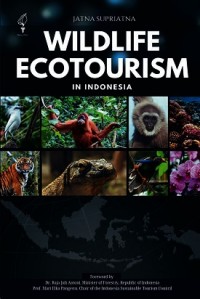
The tasks of the Directorate General of Natural Resources and Ecosystem Conservation in Indonesia involve planning and implementing policies related to forest protection, nature conservation, and the management of natural resources and ecosystems. Specifically, this includes overseeing forest protection, preventing forest fires, conserving protected areas, safeguarding wild flora and fauna, and managing natural recreation and the environment. However, this protection will be challenging unless we also recognize the economic value of biodiversity, which includes flora, fauna, and ecosystems, for the benefit of people in Indonesia and worldwide. One of the most critical factors in understanding the economics of biodiversity is the value of the services it provides, including tourism. Prof. Supriatna presents in this book the theory, concept, and implementation of wildlife ecotourism. This type of wildlife ecotourism can also faster conservation efforts by generating funding and raising awareness about endangered species and their habitats. The economic benefits of wildlife tourism for local communities include job creation and income generation, while also cautioning against potential negative impacts if not managed properly.
- Prof. Dr. Satyawan Pudyatmoko, Director General Natural Resources and Ecosystem Conservation, Ministry of Forestry.
Professor Jatna Supriatna's Wildlife Ecotourism in Indonesia arrives as an indispensable resource precisely when Indonesia needs it most. As we strive to harness the immense economic potential of our unparalleled biodiversity through tourism, this book provides critical scientific foundation and practical guidance essential for policymakers and practitioners, it masterfully synthesizes complex ecological principles with the realities of tourism development, offering clear frameworks for creating sustainable wildlife ecotourism products - from primate watching and birding to marine wildlife experiences - that prioritize conservation outcomes while generating genuine community benefits. The review of impacts, detailed in chapters on managing visitor effects and monitoring protocols, equips us with the necessary knowledge to avoid detrimental practices and implement effective mitigation strategies from the outset."
"For those of us tasked with advising on national policy and operational guidelines within the Tourism Ecosystem landscape, particularly conservation and sustainable development, this book is nothing short of a blueprint. Professor Supriatna doesn't just identify the challenges; he provides concrete, evidence-based solutions grounded in decades of field research. The specific insights on managing tourism within protected areas, coastal zones, and critical wildlife habitats, coupled with robust methodologies for impact assessment and monitoring outlined in later chapters, offer invaluable tools for ensuring that Indonesia's wildlife tourism growth is truly sustainable. this book will undoubtedly become a cornerstone reference for shaping regulations, best practices, and capacity-building programs across our archipelago.
- Dr. Frans Teguh, M.Sc. senior advisor to the The Minister for conservation and sustaibable development of the Ministry of Tourism of the Republic of Indonesia.
Availability
Detail Information
- Series Title
-
-
- Call Number
-
590 JAT w
- Publisher
- Jakarta : Yayasan Pustaka Obor Indonesia., 2025
- Collation
-
xviii, 572 p.; ilus.; 24 cm
- Language
-
English
- ISBN/ISSN
-
2257-43-41-2025
- Classification
-
590
- Content Type
-
-
- Media Type
-
-
- Carrier Type
-
-
- Edition
-
Cet.1, Juli 2025
- Subject(s)
- Specific Detail Info
-
-
- Statement of Responsibility
-
-
Other version/related
No other version available
File Attachment
Comments
You must be logged in to post a comment
 Computer Science, Information & General Works
  Philosophy & Psychology
  Religion
  Social Sciences
  Language
  Pure Science
  Applied Sciences
  Art & Recreation
  Literature
  History & Geography